Oct. 3, 2026 |
Good morning, Historic Triangle!
We're back after traveling to New York City last week for a nonprofit news sustainability program. It was an honor to learn from industry experts and explore ways to better serve our region's residents.
Weather: Cooler, fall-like temperatures are ahead this weekend and will continue into next week.
Scattered showers are likely on Saturday, with an increased chance for rain in the afternoon or evening, according to WTKR News 3 forecaster Derrah Getter.
Widespread rain is expected across the region on Sunday as a front moves in. Highs next week will hover in the 60s to 70s, with overnight lows dipping into the 50s.
|
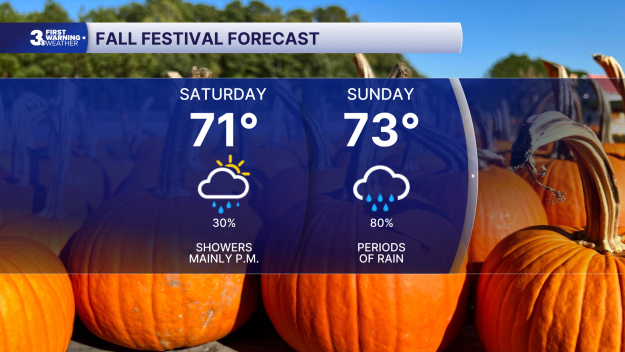 |
The weekend forecast. (Image by Derrah Getter/WTKR News 3) |
Now to the news.
-Christin |
|
|
|
Annual Williamsburg art festival returns this weekend despite rain threat |
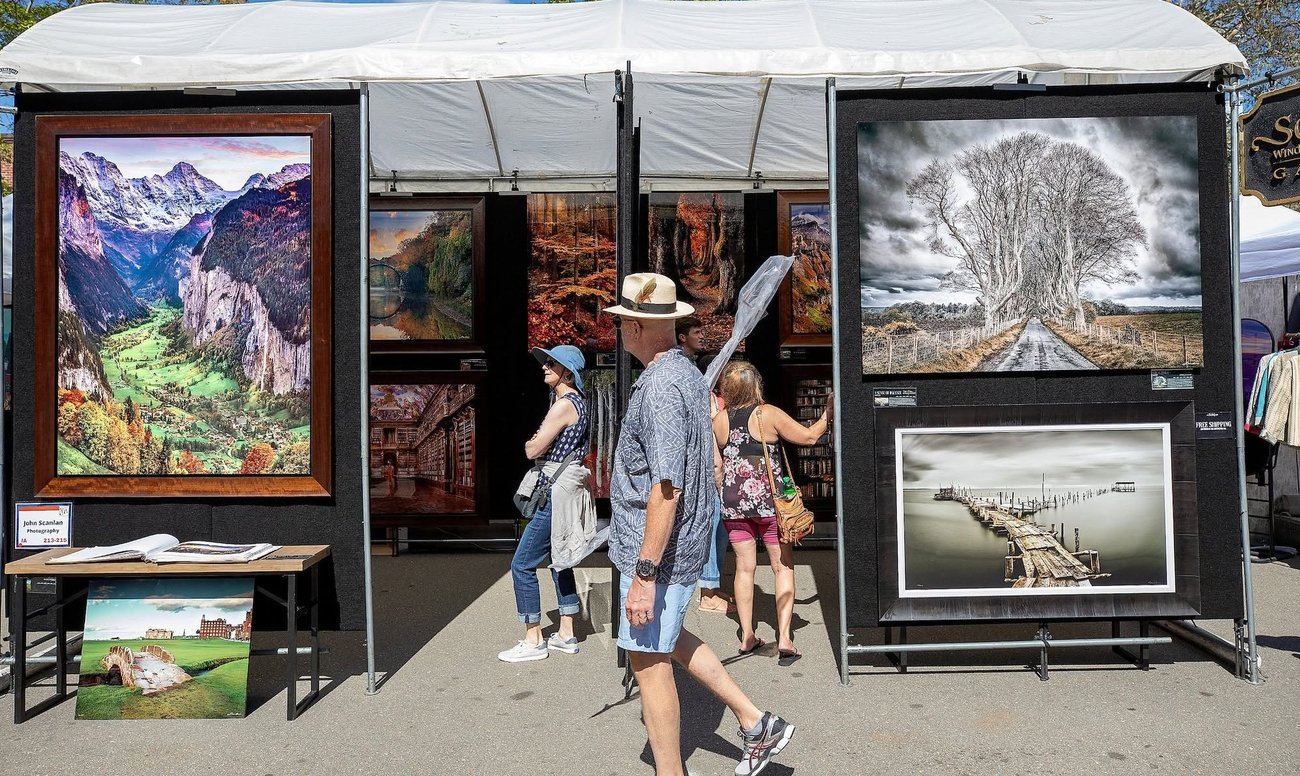 |
Guests view a display at An Occasion for the Arts in 2025. (Photo courtesy of AOFTA) |
Williamsburg's annual art and music festival, "An Occasion for the Arts," is returning to Merchants Square for its 58th year this weekend - despite a rainy forecast.
The two-day event, held Oct. 3 and 4, is set to feature over 150 artists, live performances, a community art project and food vendors. All are welcome to attend, and admission is free.
Executive Director Hannah Barco said the festival creates unique opportunities for new connections to be forged.
"I am most looking forward to the relationships between artists and audiences that will be built and strengthened through this celebration," Barco said.
This year's program schedule features new concepts while continuing the traditions that have come to define one of Williamsburg's largest annual events.
New 'zones' to create themed spaces
|
For the first time ever, guests can become immersed in a variety of experiences contained within themed spaces. The zones this year include:
|
Main Street Artists - An open-air gallery where attendees can discover nationally juried artists presenting original work. Front Porch - An opportunity to meet talented local artists and view their original local work, including paintings, photography, ceramics, mixed-media and more. Patron's Patio - This centrally located, tented area provides a VIP festival experience for supporters. There will be complimentary food, wine tastings, artist demonstrations and live music. Block Party - Music, food and drinks will be featured in this zone on both days of the event. The Avant Garden - A youth-centered space, presented in partnership with the Muscarelle Museum of Art, featuring an exhibition of local K-12 student art and performances by local dance, theatre and music students.
|
Live performances will be held on the main stage throughout the weekend. Among the highlights are poet Lacroy "Atlas" Nixon, champion Scottish fiddler John Turner, folk and gospel singers Bill Jenkins and the Virginia Mountain Boys, local band Joe's Day Off and the William & Mary Eastern Music Ensemble.
An immersive sound walk, "VA Unlocked," will also debut this year. The experience focuses on the voices, stories, places and people across Virginia that have helped create hip-hop culture.
Setup designed to accommodate rainy weather
|
Plans are in place to ensure attendees can enjoy the festival regardless of the weather, according to organizers.
"A little rain won't stop us from celebrating," the organization stated in a Facebook post on Friday. "We'll have tents throughout the Festival to help keep you comfortable while you explore, shop, listen and enjoy the weekend."
Guests are encouraged to bring an umbrella in preparation for a weekend of art, music and community.
Barco said a large turnout is anticipated. Last year's festival drew about 35,000 visitors.
"Everyone is invited to come out and support our artists: national, local and youth," Barco said.
For additional information, including a full schedule of events, visit aofta.org.
|
|
|
NEWS TO KNOW |
Developer pitches battery storage facility to wary Grove residents |
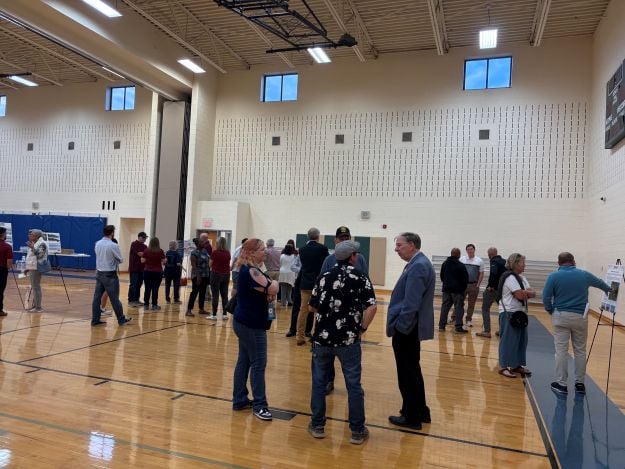 |
James City County residents attended a public information session on a proposed battery storage facility at the Abram Frink Jr. Community Center on Sept. 29. (Photo by Christin Nielsen/The Triangle) |
Representatives from a Nebraska-based development firm hosted an event on Tuesday in hopes of convincing Grove residents to support a major proposed battery storage facility.
Tenaska Energy subsidiary Pelican Energy Storage is applying for a special use permit to build a battery energy storage facility on a sprawling, 220-acre waterfront site in James City County that was once home to the now-shuttered BASF chemical plant. |
|
|
Battery Energy Storage Systems (BESS) are large banks of batteries connected to the electric grid for the purpose of generating additional energy. |
When the grid has excess power, the batteries draw in unused energy and maintain it in reserve. During times of high energy demand, the site can discharge that stored energy back into the grid to enhance its stability and meet energy needs. |
The pitch: Tenaska community relations manager Jamie Wagner said the 650-megawatt facility would enhance the local energy infrastructure while boosting the area's economy. |
|
|
"The Pelican Energy Storage project is under development in response to Virginia's growing energy crisis," a promotional board for the project stated. "Demand for electricity is expected to double in the next decade, but the Commonwealth already can't produce enough power to meet its own energy needs." |
Concerns persist: Many Grove residents expressed worries about potentially negative environmental impacts and safety risks.
|
|
|
'On the back burner': Advocates also said local policies have failed to prioritize their interests for decades, focusing instead on revenue generation.
|
"I live in this community, and I'm looking at the environmental effects that this could have," Grove resident George Buskey said. "It's not that I'm trying to stop this big corporation from coming here. I'm concerned." |
The developer acknowledged that BESS installations can pose a fire risk but said the likelihood of a fire was low given advanced monitoring and safety protocols.
|
|
|
More jobs - temporarily: The project would create about 150 "well-paying jobs," but they would only last through the construction phase. A company spokesperson said the temporary nature of the jobs means traffic impacts would be minimal once the project - which is anticipated to last up to 30 months - is complete.
|
|
|
|
|
Supervisor John McGlennon said he hopes residents will take time to learn about the proposed facility and share their feedback.
|
|
|
|
|
Former James City County officer under investigation for improper Flock use |
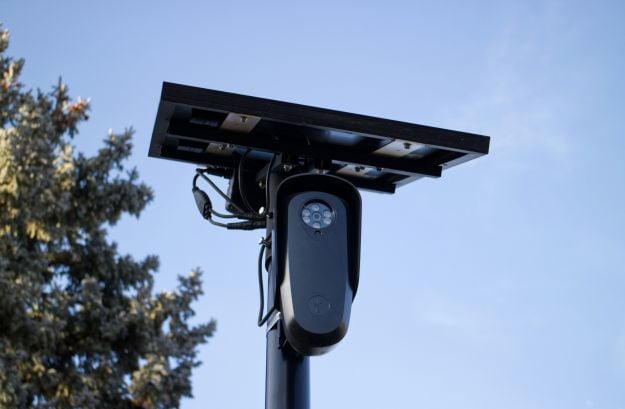 |
An automated license plate reader. (Unsplash) |
A former James City County police officer is facing charges in connection with unlawful use of automatic license plate reader technology.
Androu A. Eskandar, 30, was charged with five counts of felony computer invasion of privacy, three misdemeanor counts of computer invasion of privacy and five misdemeanor counts of improper use of an automated license plate reader system by law enforcement. |
|
|
Eskandar is accused of using his role as an officer to illegally access information for non-law enforcement purposes as part of an internal issue involving his coworkers. |
|
|
Chief Mark Jamison said in a statement that personnel are expected to uphold "the highest standards of professionalism," adding that misconduct is taken seriously. |
“Maintaining the trust of our community requires uncompromising accountability. When an officer misuses law enforcement systems, it is a serious breach of duty and the values of this Department," Jamison said. |
Context: Eskandar, who served as an officer in the department for three years, turned himself in to VSP on Sept. 28. He was released on unsecured bond. |
|
|
EVENTS THIS WEEKEND |
Some event schedules may change amid inclement weather. As always, we recommend checking the organization's website or social media pages for updates before finalizing plans. |
 |
Military Encampment Weekend is slated to be held at Colonial Williamsburg Oct. 3 - 4. (Photo courtesy of the Colonial Williamsburg Foundation) |
SATURDAY, OCT. 3 |
Boo Bash at the Beach | Jamestown Beach Event Park | Families are invited to enjoy a day at the beach featuring a Halloween twist. Costumes welcome. There will be games, crafts, live DJ music, bounce houses and plenty of candy. Pumpkin carving and decorating will be available on a first-come, first-served basis, while supplies last, for an extra cost of $5 per pumpkin. Admission to this event is $5 per vehicle. 1 - 4 pm. |
|
|
|
|
|
|
|
|
SUNDAY, Oct. 4 |
|
|
|
|
Paddle Powhatan Creek | James City County Marina | Paddle between Powhatan Creek Park and James City County Marina to observe wildlife, discuss history and enjoy a day on the water. Children ages 5-12 are permitted only on a tandem kayak or canoe with a guardian. Ages 5+. Registration required; weather permitting. $15. 10 am - 1 pm. |
William & Mary Presents! The Triangle Suite | 551 Jamestown Road | Celebrate America's 250th anniversary with piano music by Virginia's composers, featuring The Triangle Suite by Williamsburg composer Fred Strong. The five-movement composition commemorates the Historic Triangle and its enduring legacy. $35. 2 pm. |
MULTI-DAY |
An Occasion for the Arts | Merchants Square | This weekend-long outdoor festival brings together over 150 artists and features live performances, a community art project, food and vendors. Free admission. |
Fall-O-Ween Festival | Newport News Park | Oct. 3 - 4 | 10 am - 5 pm | Enjoy two days of family-friendly, seasonal fun featuring food, live entertainment and more than 100 craft vendors. Free parking and admission. |
|
|
|
|
|
|
|
|
This newsletter was written by Christin Nielsen. Thanks for reading! |
|
|
📰 Sign up to receive The Triangle's free weekly newsletters here.
🖥️ Visit our website to read previous articles.
📧 Want to reach out? Email christin@thetriangle.news or reply to this email. |
The Triangle exists thanks to the generous donations of readers who make our work possible. |
| Support Our Work |
|