Tuesday, May 12, 2026

Colonial National Historical Park saw a dramatic decline in visitations last year, new data shows

Plus: Meals taxes are up in York County. James City County's FY2027 budget is set to be adopted tonight.
 ‌ ‌ ‌ ‌ ‌ ‌ ‌ ‌ ‌ ‌ ‌ ‌ ‌ ‌ ‌ ‌ ‌ ‌ ‌ ‌ ‌ ‌ ‌ ‌ ‌ ‌ ‌ ‌ ‌ ‌ ‌ ‌ ‌ ‌ ‌ ‌ ‌ ‌ ‌ ‌ ‌ ‌ ‌ ‌ ‌ ‌ ‌ ‌ ‌ ‌ ‌ ‌ ‌ ‌ ‌ ‌ ‌ ‌ ‌ ‌ ‌ ‌ ‌ ‌ ‌ ‌ ‌ ‌ ‌ ‌ ‌ ‌ ‌ ‌ ‌ ‌ ‌ ‌ ‌ ‌ ‌ ‌ ‌ ‌ ‌ ‌ ‌ ‌ ‌ ‌ ‌ ‌ ‌ ‌ ‌ ‌ ‌ ‌ ‌ ‌ ‌ ‌ ‌ ‌ ‌ ‌ ‌ ‌ ‌ ‌ ‌ ‌ ‌ ‌ ‌ ‌ ‌ ‌ ‌ ‌ ‌ ‌ ‌ ‌ ‌ ‌

May 12, 2026

Happy Tuesday, Historic Triangle!


Our day started off with chilly temperatures in the 40s, but much warmer weather is on the way.


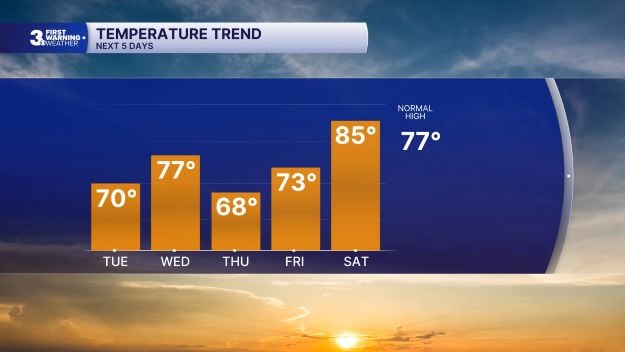
Afternoon highs will rise into the 70s today and tomorrow.


Scattered showers are likely overnight on Wednesday into Thursday morning, according to WTKR News 3 Meteorologist Myles Henderson. The rain will usher in a cooldown on Thursday. 


The 5-day temperature trend. (Image by Meteorologist Myles Henderson)

Temperatures will pick up again this weekend, with highs in the 80s by Saturday.


As a reminder, James City County's budget for the upcoming fiscal year is slated to be adopted tonight. Residents will have one final opportunity to comment on the proposed budget during the Board of Supervisors' regular meeting, which begins at 5 p.m.


Now to the news.


-Christin

Colonial National Historical Park saw a dramatic decline in visitations last year, new data shows

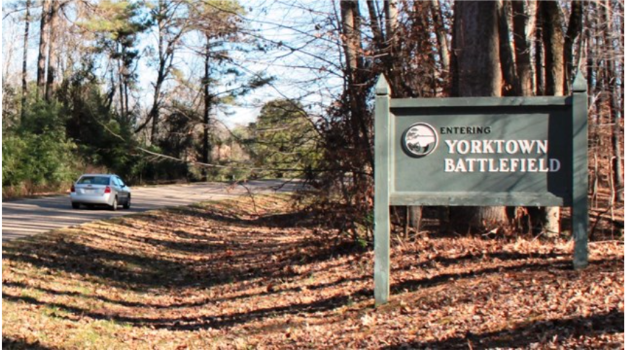
Yorktown Battlefield. (NPS photo)

Colonial National Historical Park (CNHP) experienced a steep decline in visitation last year, according to recently released National Park Service tallies.


The federally protected site, which is home to Yorktown Battlefield and Historic Jamestowne, only drew about 1.6 million visitors in 2025, down from 2.5 million in 2024. 


The data paints a picture of steadily declining visitation over the past five years. In 2021, the park logged more than 3.1 million visits. 


National parks across the Commonwealth and the nation were impacted by NPS layoffs, reductions in operating hours and challenges related to the longest-lasting government shutdown in history. Still, the drop in visits at CNHP was more dramatic than at any other national park we analyzed. 


Shenandoah National Park, for instance, recorded 1.68 million visitors in 2025, down from 1.72 million the year before. But visitation was still higher last year than in 2021, 2022 and 2023, even though 15 park employees were laid off amid federal cuts.


NPS began requiring entrance fees in 2023 for all visitors recreating at Colonial National Historical Park, including the parkway. Locals widely criticized the policy, with many arguing the charges could negatively impact tourism and deter residents from visiting the park. 


Total recorded visits to CNHP were down by more than 42% in 2025 compared to 2022, before the mandatory entrance fees went into effect. 


Per the fee policy, people who visit the park or use the parkway for any activity other than commuting must pay for a standard pass, which costs $15 per person, per visit.


Annual passes are available for $45. The entrance fee applies to adults and teens aged 16 and older, though some individuals, including seniors and military members, qualify for discounted or free annual passes.


An additional $15 entrance fee is also charged for each adult who enters the Preservation Virginia portions of Historic Jamestowne, which includes the James Fort Site, Archaearium, Memorial Church and Dale House Cafe.


Last year, about 9 million fewer visits were cumulatively recorded at national parks throughout the U.S., meaning the drop in visitation at CNHP accounted for a significant portion of the overall nationwide decline. 


Conversely, a few national parks in Virginia saw increases in visitation in 2025, including Assateague, which drew 2.3 million visitors, up from 2.2 million in 2024. George Washington's Birthplace drew 72,000 last year, up from 59,000 the year before.


Local leaders have expressed optimism in an anticipated resurgence of tourism for the nation's 250th anniversary in 2026. Impacts to Colonial National Historical Park remain to be seen.


In August 2023, NPS initiated a Colonial Parkway rehabilitation project that was initially scheduled to be fully completed by June 30, 2026, ahead of the semiquincentennial Independence Day celebrations. 


That timeline has been pushed out, with park officials announcing earlier this year that construction will still be underway well into the fall.


According to the most recent NPS update, the final segments - which include Hubbard Lane to Penniman Road and Newport Avenue to Route 199 - are not expected to be completed until November.


"The Colonial Parkway is now expected to fully reopen by late fall 2026," the park service stated in a news release. "This extension allows time to complete additional infrastructure needs and deferred maintenance projects, as well as rework in certain areas to meet NPS standards for aesthetic craftsmanship and historical integrity."


Busch Gardens Williamsburg also experienced a drop in visitation in 2025. Marc Swanson, the park's CEO, attributed the decline to reduced international tourism as well as volatile weather during traditionally busy times of the year.


In a call to investors in March, Swanson said he was working on a plan to attract more guests and drive revenue in the coming months. 


An NPS spokesperson did not respond to our request for comment when asked about the decline in visitation at CNHP.

NEWS TO KNOW

Meals tax to increase in York County amid adoption of FY2027 budget

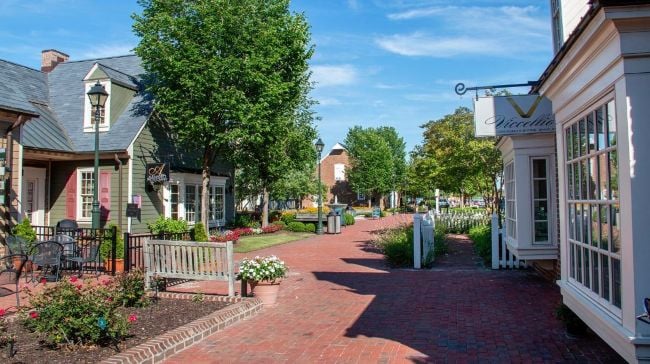
Riverwalk Landing in Yorktown. (York County)

The York County Board of Supervisors adopted a $314 million budget for the 2027 fiscal year that includes a 2% increase to the meals tax.


In brief: Proposed by County Administrator Mark Bellamy, the budget maintains the current real estate tax rate of 78 cents per $100 in assessed value. Still, reassessments in the county are up by an average of more than 11%, meaning many homeowners will still face higher tax bills.

  • The supervisors approved an ordinance that raises the meals tax from 4% to 6%. Effective July 1, 2026, prepared meals served in the county will come with a 13% total tax rate when the state and Historic Triangle sales taxes are factored in.

  • No changes were made to the personal property tax rate, which stands at $4 per $100 of assessed value.

  • Bimonthly sewer rates are set to rise from $54 to $57 for residential customers, and the majority of customers will see a $1 per month rate increase for garbage and recycling services.

Supervisor Doug Holroyd of District 1 acknowledged that the meals tax hike has become a "hot topic" among Historic Triangle residents. But the supervisors felt the increase was necessary to avoid raising property taxes, he said. 

  • "It isn't just residents who contribute" to the meals tax, Holroyd said. "Every visitor, every tourist that comes into the county and dines... helps contribute to it. So it helps spread that load out."

Opinion: As James City County budget adoption looms, disconnect between supervisors and residents is apparent

A rendering of the new James City County Government Center, currently under construction. (James City County)

James City County residents are feeling the pain as local cost-of-living increases continue to pile up. The Board of Supervisors appears to be disconnected from their day-to-day reality, writes guest columnist Tommy Turner. Below is an excerpt.

by Tommy Turner

The board does not count taxes the way residents count taxes.


Residents count cumulatively. They live in one household. The bills arrive in one envelope or one inbox. The property tax goes up. The meals tax goes up. The water bill goes up. The ambulance fee goes up. The sales tax has been higher than in any other Virginia county for seven years. Each piece is small.


The pile is large. Residents have been doing this addition for months. They are doing it at kitchen tables and on the way to work and during the part of the night when the bills don’t let them sleep.


The board counts categorically. Each tax is a separate conversation. The meals tax is presented in staff calculations of “96 cents for a couple” dining out. The property tax is presented as a “three-cent reduction” from the prior rate. The new admissions tax is presented as a credit-rating instrument that “would play very well with the rating agency.” 


The utility increase, the ambulance fee, the speed-camera revenue, the regional sales tax surcharge — each is its own line, in its own meeting, defended on its own merits, compared to its own narrow set of jurisdictions.


Nowhere in the budget deliberations does any supervisor request a single number representing what a typical household actually pays this year that it did not pay two years ago. That number does not exist in the board’s deliberations. It exists in residents’ kitchens.


If you watch enough of these meetings, you start to notice why the board’s math diverges so sharply from the residents’ math. The supervisors say so themselves, on the record, in their own words.


On May 12 at 5 p.m., at the Government Center on Mounts Bay Road, the board will have a public comment period, during which the question facing residents is the total. Residents will need to add. The board still won’t.


Read the full opinion piece here.

This newsletter is written by local journalist Christin Nielsen. Thanks for reading!

The Triangle is made possible by the generous donations of our readers. Donate here to help us keep going.


Sent to: godlyman@alexanderofyork.com

Want to change how you receive The Triangle? Update your preferences here or unsubscribe here.

The Triangle, P.O. Box 7004, Williamsburg, VA 23188, United States


No comments:

Post a Comment